Skip to content

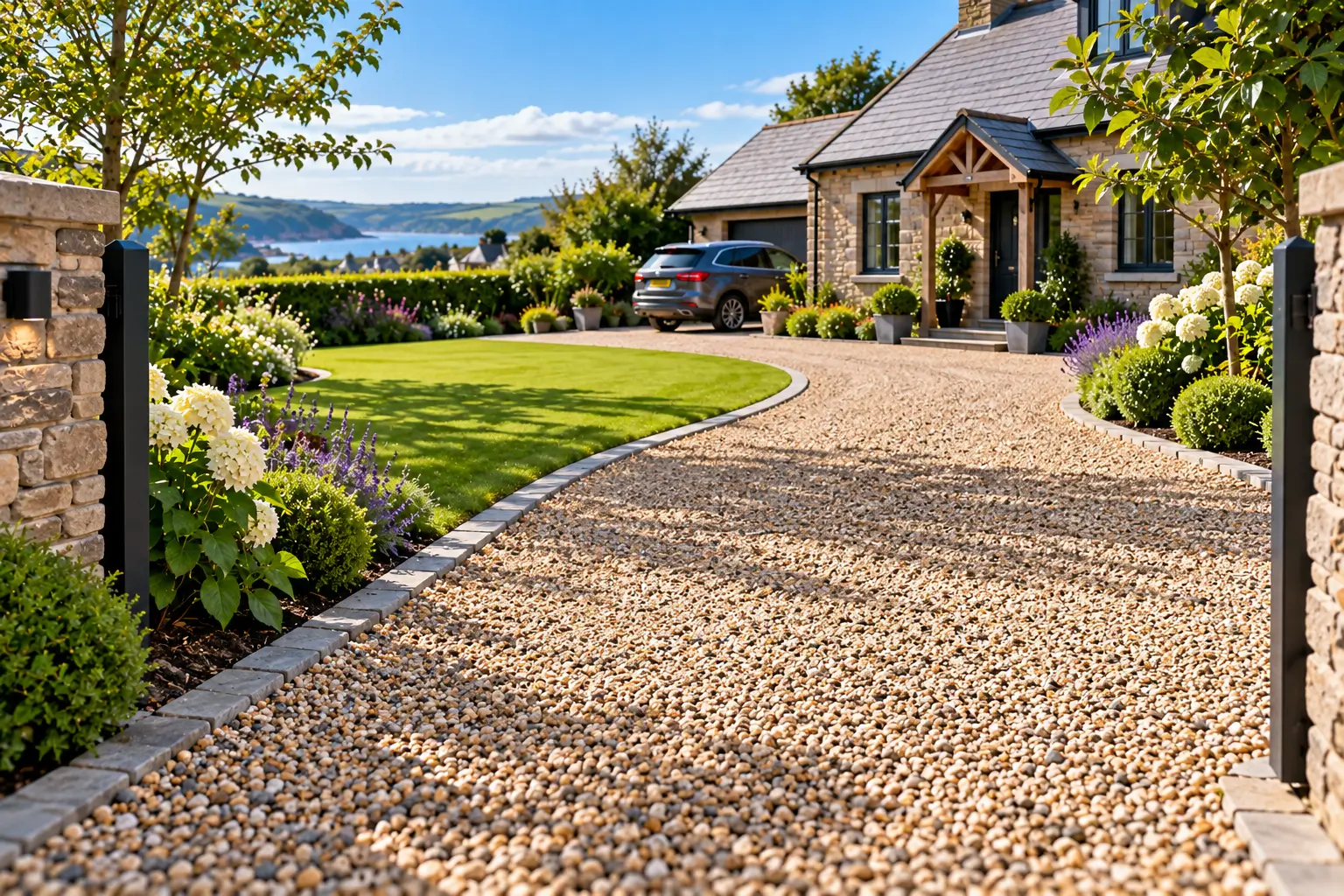
How to Maintain a Gravel Driveway Throughout the Year
A gravel driveway can add natural character, improve kerb appeal and provide a practical entrance to your property. It is particularly well suited to rural homes, cottages and traditional properties across Cornwall. However, like any outdoor surface, gravel needs regular attention to remain attractive, level and easy to use.
Rainfall, vehicle movement, weeds and general wear can gradually affect the appearance and condition of a gravel driveway. Without routine care, stones may spread onto surrounding areas, ruts can develop and drainage problems may become more noticeable.
The good news is that maintaining a gravel driveway does not need to be complicated. With a few simple tasks throughout the year, you can keep the surface in good condition and reduce the need for major repairs.
In this guide, we explain how to maintain a gravel driveway in every season, prevent common problems and know when professional driveway maintenance or improvement may be worthwhile.
1. Inspect Your Gravel Driveway Regularly
Regular inspections help you identify small problems before they become expensive repairs. Walk across the driveway and look for uneven areas, potholes, loose stones and places where water collects after rainfall.
Pay particular attention to:
- Wheel tracks where vehicles regularly pass
- Areas near gates and entrances
- Edges where gravel has started to spread
- Low points where rainwater gathers
- Sections showing signs of erosion or sinking
Vehicle movement naturally pushes loose stones away from high-traffic areas. Over time, this can leave some sections thin while creating piles of gravel elsewhere.
A quick inspection every few weeks, particularly after periods of heavy rain, can help you decide when the surface needs raking, levelling or additional gravel.
2. Spring Maintenance: Remove Weeds and Restore the Surface
Spring is an ideal time to prepare your gravel driveway for increased use during the warmer months. Winter weather may have moved stones, created shallow ruts and encouraged weeds to appear.
Start by removing leaves, branches and other debris that have collected on the surface. Use a stiff outdoor broom or leaf blower where appropriate, taking care not to remove too much gravel.
Next, inspect the driveway for weeds. Remove small weeds before they become established, including their roots where practical. Avoid disturbing the underlying surface unnecessarily, as excessive digging can loosen the gravel and encourage further movement.
Once the driveway is clear, use a gravel rake to redistribute stones across thinner areas. Pay attention to wheel tracks and sections near the entrance, where repeated vehicle movement often creates uneven patches.
If the driveway has become difficult to maintain because of surrounding vegetation, a general outdoor tidy-up may also help. Laingscape provides garden tidy-up services in Cornwall to help homeowners manage overgrown areas and improve the appearance of their outdoor spaces.
3. Summer Maintenance: Control Dust and Keep Gravel in Place
During dry summer weather, gravel driveways can become dusty, particularly when several vehicles use the surface regularly. Fine particles may be disturbed by passing tyres, creating dust around entrances, gardens and nearby buildings.
There are several ways to reduce the problem:
- Keep vehicle speeds low when entering and leaving the property.
- Avoid unnecessary turning or sudden braking on loose gravel.
- Maintain clear driveway edges to prevent stones spreading.
- Rake areas where gravel has become uneven.
- Check whether particularly thin sections need topping up.
Watering the driveway lightly may temporarily reduce dust in some conditions, but it is not a long-term solution. Excessive watering can create muddy areas or move fine material around, especially where drainage is poor.
Summer is also a useful time to check the driveway’s borders. Secure edging helps keep gravel within the intended area and creates a cleaner finish alongside lawns, planting beds and pathways.
If you are considering a wider outdoor improvement project, explore professional landscaping in Cornwall to see how driveways can work alongside other features of your garden.
4. Autumn Maintenance: Clear Leaves and Prepare for Rain
Autumn is an important season for gravel driveway maintenance in Cornwall. Falling leaves, increased rainfall and changing weather conditions can affect drainage and make the surface more difficult to manage.
Remove fallen leaves regularly rather than allowing them to build up. Wet leaves can become slippery, while decomposing organic material may contribute to a layer of fine debris across the gravel.
You should also:
- Clear leaves and debris from drainage channels.
- Check that water can run away from the driveway.
- Fill shallow ruts before they become deeper.
- Redistribute gravel around frequently used areas.
- Inspect edging and borders for movement.
- Remove weeds before they become harder to manage.
Pay particular attention to low-lying sections. Standing water can weaken the underlying material and contribute to potholes or surface movement.
If water repeatedly collects in the same place, simply adding more gravel may not solve the problem. The driveway may need its levels, drainage or underlying construction assessed.
For more general seasonal outdoor care, Laingscape’s seasonal garden maintenance services in Cornwall can help keep surrounding gardens and outdoor areas tidy throughout the year.
5. Winter Maintenance: Manage Potholes and Waterlogging
Winter can be challenging for gravel driveways because of frequent rainfall, strong winds and reduced drying time. In Cornwall, prolonged wet weather can expose weaknesses in poorly drained or uneven surfaces.
Inspect the driveway after heavy rain and look for:
- Puddles that remain for long periods
- Deepening wheel ruts
- Gravel washing towards the entrance
- Soft or muddy patches
- Areas where the surface appears to be sinking
Small potholes should be addressed before they become larger. Where the underlying material is stable, remove loose debris, restore the affected area with suitable aggregate and compact it properly.
Simply pouring loose gravel into a pothole is unlikely to provide a lasting repair. The material needs a suitable base and proper compaction to resist vehicle movement.
Be cautious when using salt or chemical de-icers. Some products may affect surrounding plants, soil and surface materials. Where ice is a concern, choose an appropriate treatment for your driveway and follow the manufacturer’s guidance.
If the surface has become badly damaged, professional assessment may be more effective than repeatedly carrying out temporary repairs.
6. Top Up Gravel When the Surface Becomes Thin
Even a well-installed gravel driveway will gradually lose some material through vehicle movement, weather and general use. Occasional topping up helps maintain an even surface and prevents the underlying layer from becoming exposed.
Before adding new gravel, identify which areas actually need attention. Spreading a fresh layer across the entire driveway every year may be unnecessary.
For better results:
- Remove weeds, leaves and loose debris.
- Rake existing gravel to redistribute material where possible.
- Identify areas where the gravel depth is insufficient.
- Add suitable aggregate that matches the existing stone.
- Spread it evenly across the affected section.
- Compact or settle the material appropriately for the driveway construction.
Choosing the correct gravel size and type is important. Stones that are too large may be uncomfortable to walk on, while very fine material can move more easily or create dust.
If you are planning a new surface or a more substantial improvement, read Laingscape’s guide to driveway materials compared: gravel, block paving or resin. It explains the differences between popular driveway options and their maintenance requirements.
7. Keep Driveway Edges and Surrounding Gardens Tidy
A gravel driveway looks best when its boundaries are clearly defined. Without suitable edging, stones can gradually spread onto lawns, flower beds and pathways.
Check the borders regularly and return displaced gravel to the driveway where appropriate. If the edging has moved or become damaged, repair it before more material escapes.
Also keep nearby vegetation under control. Overhanging branches, fallen leaves and weeds can make the driveway look neglected and increase the amount of maintenance required.
A tidy transition between the driveway, lawn and planting areas creates a more organised appearance. Homeowners planning a wider garden improvement can explore landscaping in St Austell for examples of outdoor services available in the area.
For properties with larger gardens, combining driveway improvements with regular outdoor care can make the whole entrance and surrounding space easier to manage.
8. When Does a Gravel Driveway Need Professional Attention?
Routine raking and occasional gravel replacement can deal with many minor issues. However, some problems indicate that the driveway needs more than surface-level maintenance.
Consider professional advice if you notice:
- Deep or recurring potholes
- Persistent standing water
- Significant sinking or soft patches
- Gravel repeatedly washing away
- Severe erosion on sloping sections
- Damaged or ineffective driveway edging
- A surface that becomes muddy after rainfall
These problems may be linked to poor ground preparation, inadequate drainage, insufficient sub-base material or unsuitable driveway gradients.
Adding more gravel without addressing the underlying cause can lead to repeated repairs and unnecessary expense.
Laingscape provides professional driveway installation services across Cornwall, including decorative gravel driveways, surface preparation, edging and drainage solutions. With over 20 years of experience, the team can assess your property and discuss suitable options.
A Simple Year-Round Gravel Driveway Maintenance Checklist
Use this checklist to keep your driveway in good condition throughout the year.
| Season | Recommended maintenance |
|---|---|
| Spring | Remove weeds, clear debris, rake and level gravel |
| Summer | Manage dust, check edges and redistribute loose stones |
| Autumn | Clear leaves, inspect drainage and repair shallow ruts |
| Winter | Check for waterlogging, potholes and surface erosion |
In addition to seasonal work, inspect high-traffic areas regularly and top up gravel when necessary. A consistent routine is usually easier and more cost-effective than waiting until the driveway needs extensive repairs.
Final Thoughts
Maintaining a gravel driveway throughout the year is mainly about preventing small problems from becoming bigger ones. Regular inspections, weed removal, surface levelling, drainage checks and occasional gravel replacement can all help preserve its appearance and usability.
Cornwall’s wet and changeable weather makes drainage and surface condition particularly important. By adjusting your maintenance routine to the season, you can keep your driveway looking tidy and reduce unnecessary repair work.
If your existing gravel driveway needs improvement or you are considering installing a new one, Laingscape offers professional driveway and landscaping services across Mid Cornwall and surrounding areas.
With over 20 years of experience and free, no-obligation quotations, Laingscape can help you find a practical solution that suits your property.
Contact Laingscape
- Phone: 07988 759149
- Email: oliver@laingscape.co.uk
- Location: Four Winds, Zelah, Truro TR4 9JD
Contact Laingscape for a free quotation to discuss your driveway or wider outdoor improvement project.
Frequently Asked Questions
How often should a gravel driveway be maintained?
A gravel driveway should be inspected every few weeks, with more attention after heavy rainfall or periods of frequent vehicle use. Raking, weed removal and debris clearance can be carried out as needed, while gravel topping-up depends on the amount of material lost.
How do I stop weeds growing through a gravel driveway?
Remove weeds while they are small and deal with their roots where practical. Keeping the surface clear of leaves and organic debris can also help. A properly installed weed-control membrane beneath the gravel can reduce weed growth, although it cannot guarantee a completely weed-free surface.
How often should I add new gravel?
There is no fixed schedule. Add gravel when the surface becomes thin, the underlying layer is exposed or regular raking can no longer restore an even finish. The amount required depends on traffic, drainage, driveway construction and weather exposure.
Why does my gravel driveway develop potholes?
Potholes can develop because of vehicle movement, water accumulation, poor drainage, insufficient compaction or weaknesses in the sub-base. Repeatedly filling them with loose gravel may only provide a temporary fix if the underlying problem remains.
Is a gravel driveway suitable for Cornwall’s weather?
Gravel can work well in Cornwall, particularly when the driveway has suitable ground preparation, stable edging and effective drainage. Regular inspections and seasonal maintenance help manage the effects of rainfall and vehicle use.
How can I prevent gravel from spreading onto my lawn?
Install or maintain suitable edging along the driveway boundaries. Regularly rake displaced stones back into place and avoid driving too close to the edges where possible.
Can I repair a gravel driveway myself?
Small maintenance jobs, such as removing weeds, raking stones and filling minor surface depressions, can often be handled by homeowners. More serious problems involving drainage, sinking or sub-base failure may require professional attention.
Does Laingscape install gravel driveways in Cornwall?
Yes. Laingscape provides driveway installation services across Cornwall, including decorative gravel options, ground preparation, edging and drainage solutions. Contact the team to arrange a free, no-obligation quotation.