Skip to content
A freshly laid lawn can completely transform your garden, instantly creating a clean, vibrant, and welcoming outdoor space. But what happens after installation is just as important as the turf itself. Many homeowners invest in new turf but struggle to maintain it properly in the first few weeks.
If you’re wondering how to care for new turf after installation, this guide will walk you through every step. With the right care, your lawn will establish quickly, grow strong roots, and stay healthy for years to come.
Why Proper Turf Care Matters
New turf is delicate in its early stages. Although it may look established, the roots have not yet bonded with the soil beneath.
Without proper care:
- Turf can dry out quickly
- Roots may fail to establish
- Grass may turn yellow or patchy
- Weeds can take over
Understanding how to care for new turf after installation ensures your investment doesn’t go to waste.
The First 2 Weeks: Critical Establishment Phase
The first two weeks are the most important period for your new lawn.
Watering is Essential
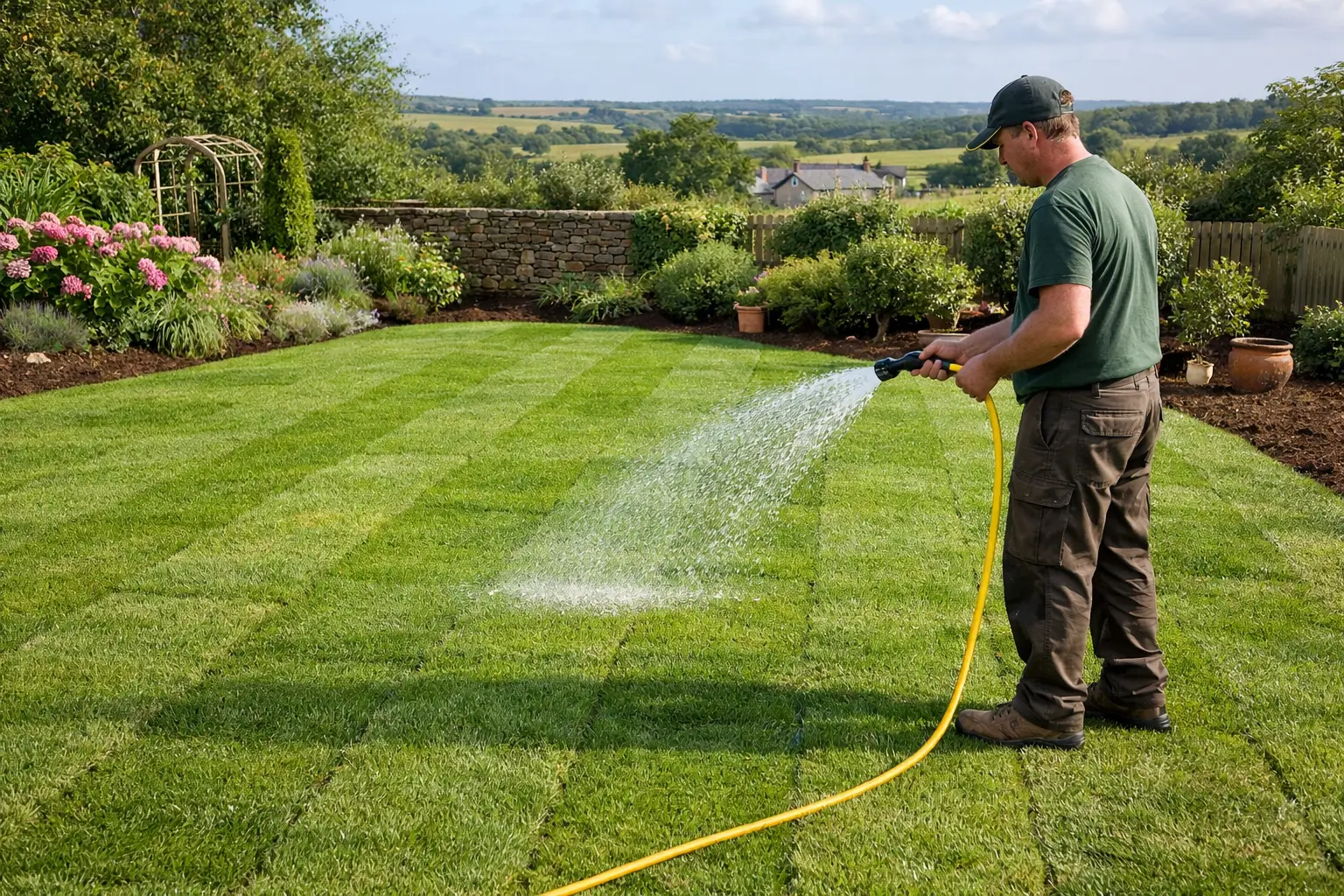
New turf requires consistent moisture to help roots grow into the soil.
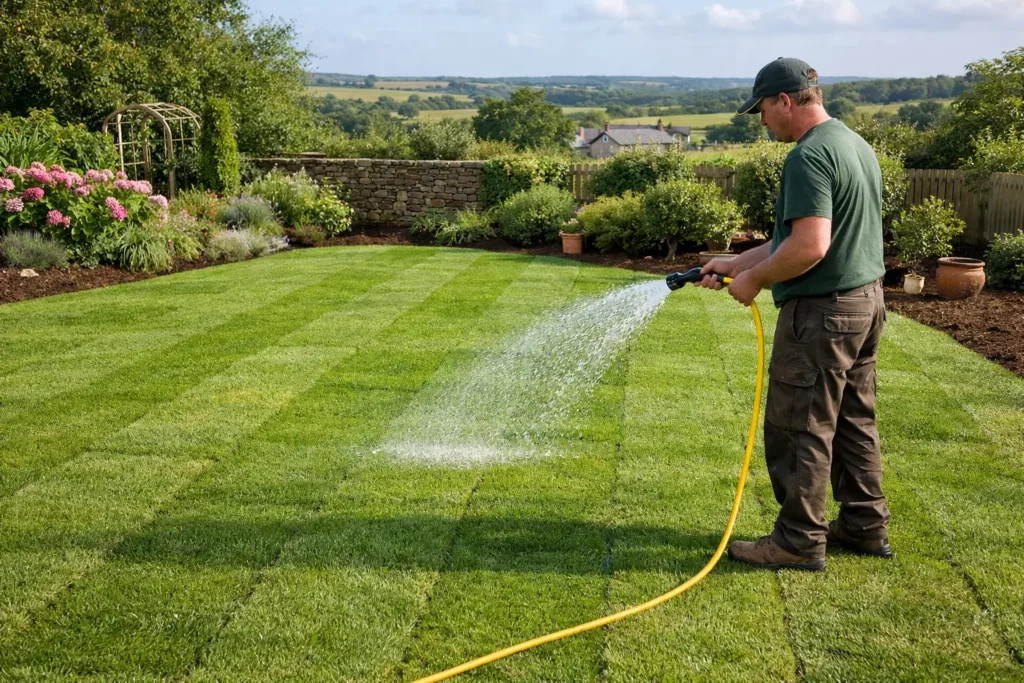
- Water immediately after installation
- Keep the soil consistently damp
- Water daily, especially in dry weather
- Early morning or evening is best
Avoid overwatering, as this can lead to waterlogging and root damage.
Avoid Walking on New Turf
During this stage, the turf is still fragile.
- Avoid foot traffic as much as possible
- Keep pets off the lawn
- Prevent heavy objects or equipment on the surface
This allows roots to settle properly without disturbance.
When and How to Mow New Turf
One of the most common questions about how to care for new turf after installation is when to mow.
First Mow Guidelines
- Wait until the grass reaches around 5–7 cm
- Ensure the turf is firmly rooted
- Use a sharp mower blade
- Cut only the top third of the grass
Avoid cutting too short, as this can stress the grass and slow down growth.
Feeding Your New Lawn
After a few weeks, your turf will benefit from nutrients to support growth.
Fertiliser Tips
- Apply a balanced lawn fertiliser after 3–4 weeks
- Use a slow-release formula
- Avoid overfeeding
Feeding your lawn correctly helps it develop a rich green colour and strong root system.
Dealing with Common Turf Problems
Even with proper care, you may notice some minor issues during establishment.
Yellowing Grass
This is common and often temporary.
Causes may include:
- Lack of water
- Stress from installation
- Weather conditions
Regular watering usually resolves the issue.
Gaps or Shrinking Turf
Sometimes turf pieces may shrink slightly.
- Lightly press edges back together
- Water thoroughly
- Avoid letting soil dry out
Seasonal Considerations in Cornwall
Cornwall’s mild, coastal climate plays a big role in turf care.
- Spring and autumn are ideal for turf establishment
- Summer may require more frequent watering
- Winter growth slows, so reduce maintenance
Understanding local conditions is key when learning how to care for new turf after installation.
Professional Help for Long-Term Results
While many homeowners manage turf care themselves, professional support can make a significant difference.
At Laingscape, we provide expert lawn care and maintenance tailored to Cornwall’s conditions.
If you’ve recently had turf installed, our turf-laying
service ensures proper aftercare and long-term results.
Expert Advice and Guidelines
For additional guidance on lawn care and turf maintenance, you can refer to: RSH
The Royal Horticultural Society offers trusted advice on maintaining healthy lawns in UK conditions.
Ongoing Maintenance Tips
Once your turf is established, maintaining it becomes easier.
Here are some simple tips:
- Mow regularly but not too short
- Water during dry periods
- Remove weeds early
- Aerate soil when needed
- Feed seasonally
Consistency is key to keeping your lawn looking its best.
Conclusion
Knowing how to care for new turf after installation is essential if you want a healthy, long-lasting lawn. The first few weeks require attention and care, particularly with watering, mowing, and protecting the turf from damage.
By following the steps in this guide and adapting to Cornwall’s unique climate, you can ensure your lawn establishes properly and remains green, strong, and attractive throughout the year.
If you prefer expert help, professional garden maintenance services can provide ongoing support and peace of mind.
Frequently Asked Questions
How often should I water new turf?
Water daily during the first two weeks, keeping the soil consistently moist but not waterlogged.
When can I walk on new turf?
Avoid walking on it for at least 2–3 weeks until the roots are established.
When should I mow new turf for the first time?
Mow when the grass reaches 5–7 cm and is firmly rooted.
Why is my new turf turning yellow?
This is usually due to stress or lack of water and is often temporary.
How long does turf take to establish?
Typically 2–3 weeks, depending on weather and care.
Can I fertilise new turf immediately?
No, wait around 3–4 weeks before applying fertiliser.
What happens if I overwater new turf?
Overwatering can lead to root rot and poor establishment.
Is turf care different in Cornwall?
Yes, Cornwall’s mild climate means faster growth and more frequent maintenance may be needed.
Should I cut new turf short?
No, always avoid cutting too short, especially in early stages.
Do I need professional help for turf care?
Not always, but professional services can ensure the best long-term results.