Skip to content

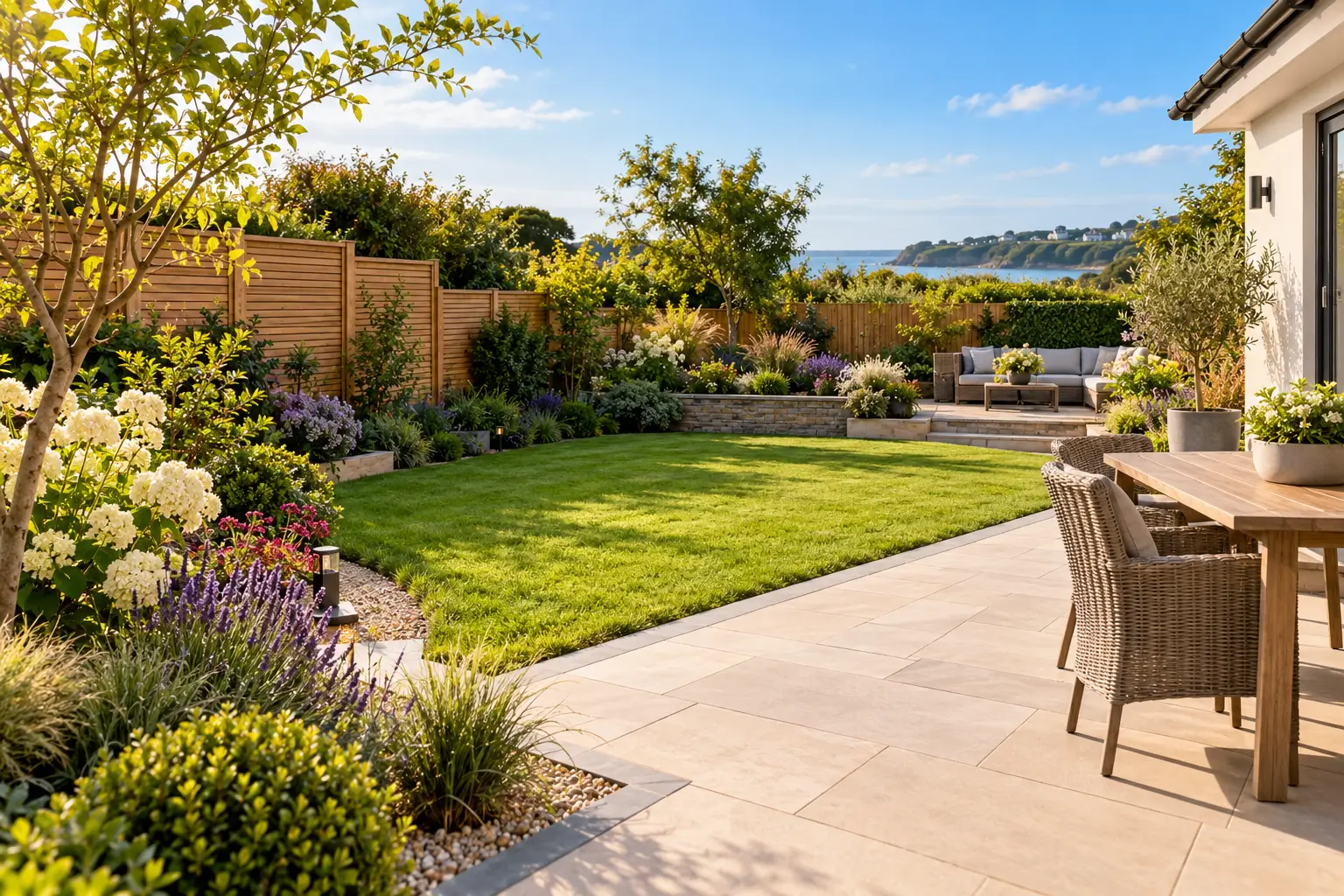
A well-designed garden should feel like one connected space, not a collection of separate features competing for attention. A lawn provides room to relax, a patio creates somewhere to entertain, fencing offers privacy, and planting adds colour, texture and life. When these elements work together, even an ordinary garden can become a practical and attractive outdoor retreat.
The secret is planning. Understanding How to Combine Lawns, Patios, Fencing and Planting in One Garden helps you make better use of the available space, choose complementary materials and avoid expensive changes later.
Whether you have a compact courtyard or a larger garden in Cornwall, a thoughtful layout can balance appearance, functionality and maintenance.
1. Start with a Clear Garden Design Plan
Before choosing materials or plants, consider how you want to use your garden. Do you need space for children to play, an outdoor dining area, somewhere quiet to relax, or attractive planting around the boundaries?
Make a simple sketch showing the house, existing lawn, paths, fences, patios and planting beds. Measure the main areas and identify features you want to retain.
Think about sunlight, shade, drainage and access too. A sunny corner may suit a seating area, while a shaded boundary could be better for shade-tolerant plants.
The Royal Horticultural Society’s garden design advice offers helpful guidance on assessing your space and developing a practical layout.
2. Choose the Right Balance Between Lawn and Patio
Lawns and patios serve different purposes, so the aim is to give each enough space without making the garden feel overcrowded.
A lawn provides a soft, green surface for relaxing, playing and enjoying the garden. A patio offers a stable area for outdoor furniture, dining and entertaining.
For example, a family garden might have a lawn in the centre, with a patio close to the house for easy access to the kitchen. Planting along the edges can soften the transition between the two surfaces.
In a smaller garden, a compact patio with a modest lawn may work better than trying to accommodate large areas of both.
Consider how much maintenance you can manage before deciding on the proportions. A larger lawn needs regular mowing, while patios require cleaning and occasional maintenance.
3. Use Fencing to Add Privacy and Structure
Fencing does more than mark the boundary of a property. It can provide privacy, create a backdrop for planting and help establish the overall style of your garden.
Timber fencing can complement traditional gardens, while simpler contemporary designs may suit modern outdoor spaces. The right choice depends on your property, budget and preferred appearance.
To prevent fencing from making a garden feel enclosed, introduce planting along selected sections. Climbing plants, shrubs and ornamental grasses can soften hard lines and add natural texture.
Before installation, consider the fence’s height, condition, boundary position and any relevant planning requirements. If you are replacing an existing boundary, check the applicable rules before committing to a design.
4. Connect the Different Areas with Planting
Planting is often the element that brings the entire garden together. Without it, a lawn, patio and fence can look like separate components. Carefully chosen plants create a visual connection between them.
Use a combination of heights, colours and textures to create interest. For example, lower-growing plants can define the lawn’s edge, while taller shrubs can provide structure beside a fence.
Consider these practical ideas:
- Border planting: Creates a natural transition between grass and paving.
- Shrubs: Add structure and can provide privacy along boundaries.
- Perennials: Bring seasonal flowers and changing colour.
- Climbing plants: Help soften suitable fences and walls.
- Ornamental grasses: Introduce movement and texture.
Choose plants according to your soil, sunlight and available space. The RHS guide to planning a garden border explains why suitable plant selection and growing conditions matter.
For a cohesive appearance, repeat a few plant varieties in different parts of the garden rather than using too many unrelated species.
5. Create Smooth Transitions Between Surfaces
The connections between lawn, patio, paths and planting beds can make a significant difference to the finished design.
A crisp lawn edge beside paving creates a neat appearance, while curved borders can soften a formal layout. Matching or complementary materials across paths and patio areas can also help the garden feel more unified.
Think about practical movement as well. Leave enough room to walk comfortably between the house, seating area, lawn and garden entrance.
If the garden slopes, consider how steps, retaining features or changes in level might affect access and drainage. Water should be directed appropriately rather than allowed to collect beside the house or on the lawn.
Good transitions are not only attractive; they also make the garden easier to use and maintain.
6. Select Materials and Colours That Work Together
A garden can contain several different materials without looking disjointed, provided they share a consistent style.
For example, natural-toned paving can work well with timber fencing and green planting. A contemporary garden might combine simple paving, dark fencing and plants with varied foliage textures.
Try to limit the number of dominant materials and colours. Repeating a paving tone, timber finish or plant colour in more than one area creates continuity.
Also consider how materials will look as they age and how much upkeep they require. Some surfaces need regular cleaning, while timber fencing may require periodic treatment depending on the product and exposure.
The best choices are those that suit both your preferred appearance and your willingness to maintain them.
7. Plan for Cornwall’s Garden Conditions
Garden design should reflect local conditions as well as appearance. Across Cornwall, gardens can experience coastal exposure, strong winds, heavy rainfall and different soil conditions depending on the location.
If your property is exposed, consider whether fencing, furniture and plants are suitable for the site. Plant selection should also account for sunlight, drainage and soil type.
A lawn may need particular attention where the ground becomes waterlogged, while a patio requires suitable preparation and drainage to remain practical.
Choose plants for the conditions they will actually experience rather than selecting them on appearance alone. This can reduce avoidable replacements and make the garden easier to manage over time.
8. Think About Maintenance Before Finalising the Design
A beautiful garden should also fit your lifestyle. Before deciding on the final layout, consider how much time you can realistically spend mowing, pruning, weeding and cleaning outdoor surfaces.
A practical maintenance plan might include:
- Keeping the lawn a manageable size.
- Choosing plants suited to the available conditions.
- Allowing enough space to reach borders and fences.
- Using clear edges between grass, paving and planting.
- Planning regular seasonal maintenance.
There is no completely maintenance-free garden, but sensible design choices can reduce the amount of work required.
If you want a garden that remains attractive without demanding constant attention, prioritise durable materials, suitable plants and a layout that is easy to access.
Need Help Bringing Your Garden Design Together?
Combining a lawn, patio, fencing and planting requires more than choosing attractive individual features. The layout, materials, ground conditions and planting scheme all need to work together.
Laingscape provides gardening and landscaping services across Cornwall, backed by over 20 years of experience. If you are planning a garden improvement, our team can discuss your requirements and help you explore suitable options.
Explore our gardening and landscaping services, Professional Landscaping in Cornwall and Turf Laying in Cornwall.
You can also visit our Google Business Profile and review available customer feedback, including Trustpilot reviews where available, when researching your options.
Planning a garden transformation? Contact Laingscape to discuss your project and request a free, no-obligation quotation.
Conclusion
Understanding How to Combine Lawns, Patios, Fencing and Planting in One Garden starts with a clear plan and a realistic view of how you want to use your outdoor space.
Balance the lawn and patio, choose fencing that complements your property, and use planting to connect different areas. Pay attention to drainage, local growing conditions and long-term maintenance before committing to materials or layouts.
With thoughtful planning, these features can work together to create a garden that looks cohesive, feels welcoming and suits everyday life. If you need professional support, Laingscape can help you explore your garden improvement options across Cornwall.
Frequently Asked Questions
1. How do I combine a lawn and patio in a small garden?
Keep the layout simple and give each feature a clear purpose. A compact patio near the house and a smaller lawn beyond it can create separate areas without overcrowding the garden.
2. Should the patio or lawn be installed first?
The order depends on the design, ground conditions and project requirements. Typically, the layout, levels and drainage should be planned first, followed by the necessary ground preparation and hard landscaping before the lawn is completed.
3. What fencing works best with a landscaped garden?
The best fencing depends on your property, privacy needs and preferred style. Timber can complement traditional gardens, while simpler contemporary designs suit modern spaces. Planting can soften either option.
4. Which plants work well beside a lawn and patio?
Choose plants based on sunlight, soil, drainage and available space. Shrubs, perennials, ornamental grasses and suitable climbers can provide structure and soften the edges between hard and soft landscaping.
5. How can I make my garden look more cohesive?
Repeat a small selection of materials, colours and plant varieties throughout the garden. Consistent edging and clear transitions between surfaces also help the design feel connected.
6. How can I create a low-maintenance garden?
Choose suitable plants, limit unnecessary lawn areas, use durable materials and make sure borders are easy to reach. Regular, manageable maintenance is usually more effective than leaving the entire garden until problems build up.
7. Does garden drainage matter when combining paving and a lawn?
Yes. The design should account for how rainwater moves across the site. Proper levels and drainage help reduce standing water and prevent problems near buildings or on grassed areas.
8. Can Laingscape help with lawn installation and landscaping in Cornwall?
Laingscape offers gardening and landscaping services across Cornwall, including turf laying and professional landscaping. Contact the team to discuss your requirements and confirm which services are suitable for your project.
Ready to Transform Your Garden?
Bring your garden back to life with professional gardening and landscaping services from Laingscape. Whether you need to clear an overgrown space, install a new lawn, maintain your garden or create a more functional outdoor area, our experienced team is here to help.
With over 20 years of experience, we provide practical solutions tailored to your garden and requirements.
Ready to get started? Contact Laingscape today for a free, no-obligation quotation and take the first step towards a cleaner, more enjoyable garden.
Call: 07988 759149
Email: oliver@laingscape.co.uk
Explore Our Gardening & Landscaping Services | Request a Free Quote