Skip to content
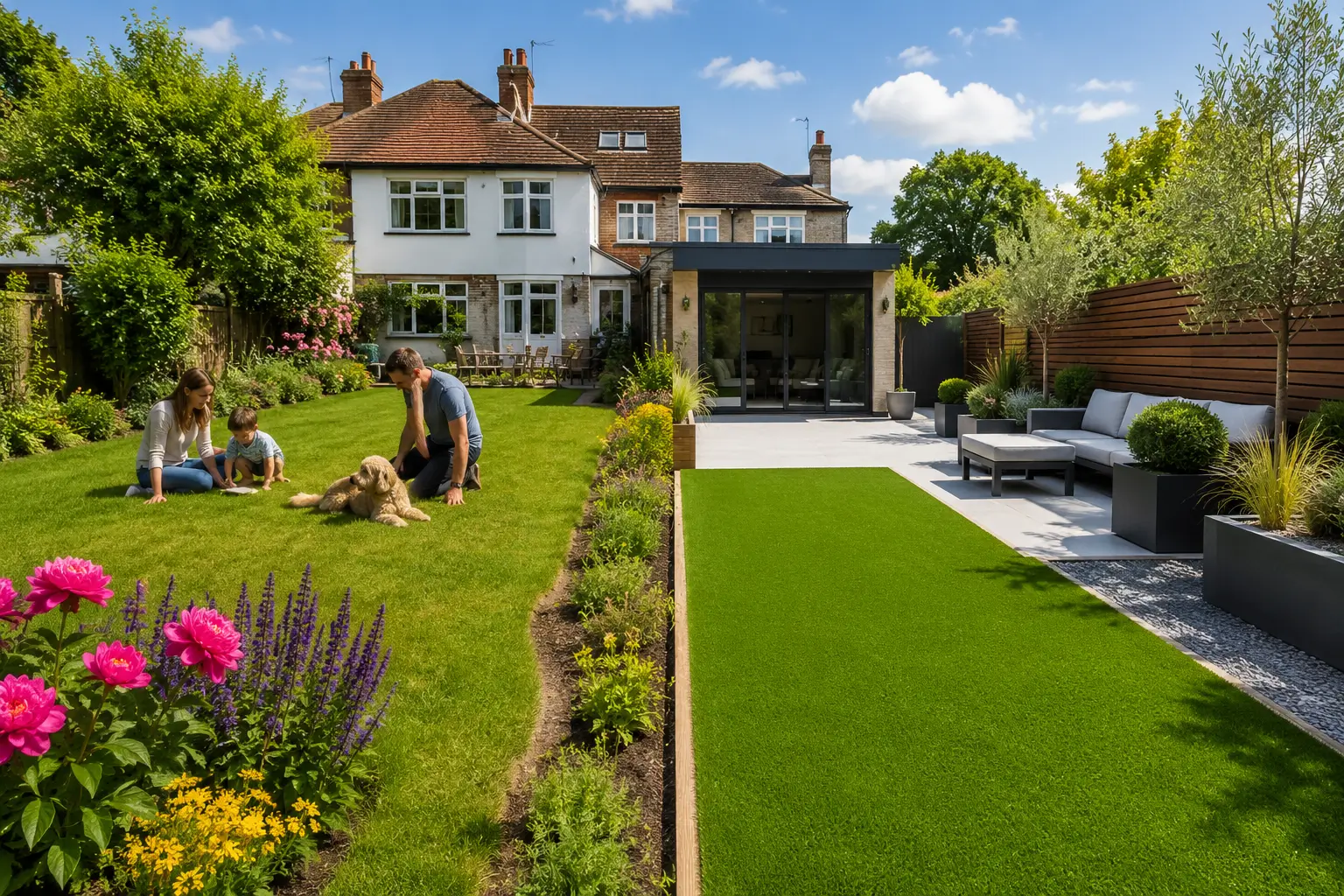
A healthy, well-maintained lawn is often the centrepiece of a beautiful garden. Whether you enjoy relaxing outdoors, entertaining family and friends, or creating a safe place for children and pets to play, choosing the right type of grass is one of the most important landscaping decisions you’ll make.
When comparing Natural vs Artificial Grass: Which Is Right for Your Garden?, there isn’t a one-size-fits-all answer. Both options offer unique advantages depending on your lifestyle, budget, garden conditions, and long-term expectations.
Natural grass provides the timeless beauty, scent, and biodiversity many homeowners love. Artificial grass, on the other hand, offers a low-maintenance alternative that stays green throughout the year with minimal upkeep.
In this guide, we’ll compare both options in detail, helping you understand their pros, cons, costs, maintenance requirements, and suitability for different types of gardens. By the end, you’ll have a clearer idea of which solution is the best investment for your outdoor space.
Why Your Lawn Choice Matters
A lawn is much more than just green space. It influences how your garden looks, how much maintenance it requires, and even how you use it throughout the seasons.
The right lawn can:
- Improve your property’s kerb appeal
- Increase the enjoyment of your outdoor space
- Enhance drainage and soil health
- Create a comfortable area for children and pets
- Add value to your home
However, the UK’s climate presents unique challenges. Frequent rainfall, changing temperatures, shaded gardens, and heavy foot traffic all affect how well a lawn performs. That’s why understanding Natural vs Artificial Grass: Which Is Right for Your Garden? is essential before making a decision.
What Is Natural Grass?
Natural grass is exactly what most people picture when they imagine a traditional British garden. It consists of living turf grown from carefully selected grass varieties designed to suit different climates and soil conditions.
A professionally installed natural lawn offers a vibrant appearance that changes naturally with the seasons while supporting local wildlife and improving biodiversity.
Benefits of Natural Grass
Natural lawns remain a favourite choice for many homeowners because they offer several long-term advantages.
- Soft and comfortable underfoot
- Naturally cool during warm weather
- Supports insects, birds, and pollinators
- Helps absorb rainwater
- Improves air quality by capturing dust and carbon dioxide
- Creates an authentic garden appearance
A healthy natural lawn also recovers from minor damage over time through proper maintenance and seasonal care.
Potential Drawbacks of Natural Grass
Although natural grass offers many benefits, it also requires ongoing attention to remain in excellent condition.
Regular maintenance typically includes:
- Weekly mowing during the growing season
- Watering during dry periods
- Feeding throughout the year
- Scarifying and aerating
- Weed and moss control
- Occasional lawn repairs
In shaded or heavily used gardens, natural grass may develop worn patches or become muddy during wetter months. Professional lawn care and proper installation can significantly reduce these issues.
What Is Artificial Grass?
Artificial grass is a manufactured surface designed to replicate the appearance of natural turf while requiring far less routine maintenance.
Modern products have improved dramatically over recent years. High-quality artificial grass now features multiple blade colours, realistic textures, and improved drainage systems, making it difficult to distinguish from natural grass at first glance.
Many homeowners choose artificial grass where maintaining a traditional lawn is challenging due to shade, poor soil, or limited time for regular gardening.
Advantages of Artificial Grass
For some households, artificial grass provides a practical solution that delivers year-round visual appeal.
Its key advantages include:
- Minimal maintenance
- No mowing required
- No watering during dry weather
- Consistent green appearance throughout the year
- Mud-free surface
- Suitable for shaded gardens
- Excellent for holiday homes and rental properties
Artificial grass can also be particularly useful in gardens where children or pets use the space frequently, as it remains tidy even with regular use.
However, installation quality plays a significant role in both appearance and longevity. Proper ground preparation and drainage are essential for achieving the best results.
Comparing Appearance Throughout the Year
One of the biggest differences when considering Natural vs Artificial Grass: Which Is Right for Your Garden? is how each option looks across the seasons.
Natural grass changes with the weather. During spring and summer, it becomes lush and vibrant. In autumn and winter, growth slows, colours may soften slightly, and occasional maintenance is needed to keep it healthy.
Artificial grass maintains a consistently green appearance regardless of weather conditions. While many homeowners appreciate this reliability, others prefer the changing character and authentic feel of a living lawn.
Ultimately, appearance comes down to personal preference and how you want your garden to look throughout the year.
Maintenance Requirements: Natural vs Artificial Grass
When deciding between Natural vs Artificial Grass: Which Is Right for Your Garden?, maintenance is often one of the biggest factors. While both options require some level of care, the type and amount of maintenance differ considerably.
Caring for a Natural Lawn
Natural grass thrives when it receives regular attention. Although it requires more work than artificial turf, many homeowners enjoy the routine of caring for a living garden.
Typical maintenance includes:
- Mowing every one to two weeks during the growing season
- Watering during prolonged dry weather
- Feeding the lawn two or three times a year
- Aerating compacted soil
- Scarifying to remove moss and thatch
- Repairing worn or bare patches
The reward is a healthy, vibrant lawn that continues to improve with proper care.
Looking After Artificial Grass
Artificial grass eliminates many routine gardening tasks, but it isn’t completely maintenance-free.
To keep it looking its best, you should:
- Remove leaves and garden debris regularly
- Brush the fibres occasionally to maintain their upright appearance
- Rinse away dust or pet waste when necessary
- Inspect drainage after heavy rainfall
Overall, maintenance is considerably lower than with natural grass, making it attractive for busy households.
Which Option Is Better for Families and Pets?
If your garden is used every day, choosing the right surface becomes even more important.
Natural Grass
Natural lawns offer a soft, cool surface that’s comfortable for children to play on during warm weather. They also absorb rainwater naturally, reducing puddles when installed correctly.
However, heavy use can eventually create worn patches, especially around play equipment or garden paths.
Artificial Grass
Artificial grass is highly durable and can cope well with frequent use. It won’t become muddy after rainfall, making it particularly popular with families and dog owners.
Quality artificial grass also dries quickly, allowing children to use the garden sooner after wet weather.
The right choice depends on how your family uses the outdoor space and whether you’re happy to carry out ongoing lawn maintenance.
Cost Comparison
Budget is another important consideration when comparing Natural vs Artificial Grass: Which Is Right for Your Garden?
Natural Grass Costs
Natural turf generally has a lower initial installation cost.
However, long-term expenses may include:
- Lawn fertiliser
- Weed treatments
- Watering during dry summers
- Lawn repairs
- Mowing equipment or professional maintenance
These ongoing costs should be considered over the lifetime of the lawn.
Artificial Grass Costs
Artificial grass usually costs more to install because of the groundwork, base preparation, and materials involved.
The benefit is reduced ongoing maintenance costs, as there is no mowing, fertilising, or reseeding required.
For homeowners planning to stay in their property for many years, artificial grass may provide better long-term value depending on usage.
Environmental Considerations
Many homeowners also consider sustainability when choosing a lawn.
Natural grass provides several environmental benefits:
- Absorbs carbon dioxide
- Supports insects and pollinators
- Improves biodiversity
- Helps cool surrounding areas
- Allows rainwater to soak naturally into the ground
Artificial grass reduces water consumption and eliminates the need for lawn chemicals, but it is manufactured from synthetic materials and does not provide the same ecological benefits as living turf.
For guidance on creating wildlife-friendly gardens, the Royal Horticultural Society (RHS) offers practical advice on sustainable gardening practices.
Which Grass Is Best for Cornwall’s Climate?
Cornwall’s mild, coastal climate presents unique conditions for lawns. Frequent rainfall, sea air, and changing weather patterns all influence long-term performance.
Natural grass generally performs exceptionally well in Cornwall when professionally installed and maintained. The regular rainfall helps lawns remain healthy throughout much of the year, while quality turf varieties establish quickly.
Artificial grass can also be an excellent solution for:
- Heavily shaded gardens
- Holiday homes
- Rental properties
- Gardens with poor drainage
- Low-maintenance outdoor spaces
If you’re unsure which option is right for your property, seeking professional advice before installation can help you make the best long-term investment.
Let Laingscape Help You Create the Perfect Lawn
Whether you’re leaning towards natural turf or considering an artificial alternative, choosing the right installer is just as important as choosing the right material.
At Laingscape, we have more than 20 years of experience transforming gardens across Cornwall with professional landscaping and lawn installation services. We can assess your garden, discuss your requirements, and recommend the most suitable solution based on your property’s conditions, budget, and lifestyle.
If you’re planning a new lawn project, explore our related services:
Many of our customers first discover us through our excellent Google Business Profile, where homeowners across Cornwall share their experiences of working with our team.
To discuss your project or request a free, no-obligation quotation:
Phone: +44 7988 759149
Email: oliver@laingscape.co.uk
You can also follow our latest landscaping projects and garden transformations on our Facebook page.
Conclusion
When comparing Natural vs Artificial Grass: Which Is Right for Your Garden?, there is no universal answer. The best choice depends on your priorities, how you use your garden, and the amount of maintenance you’re prepared to undertake.
Natural grass remains the preferred option for homeowners who value biodiversity, authentic appearance, and the feel of a living lawn. Artificial grass offers convenience, durability, and year-round colour for those seeking a low-maintenance solution.
By considering your budget, lifestyle, garden conditions, and long-term expectations, you can confidently choose a lawn that enhances your outdoor space for years to come.
For expert advice and professional installation across Cornwall, Laingscape is always happy to help.
Frequently Asked Questions
Is natural grass better than artificial grass for UK gardens?
Natural grass is often the preferred choice for homeowners who want an authentic, environmentally friendly lawn that supports wildlife and biodiversity. Artificial grass is better suited to those looking for a low-maintenance solution that stays green throughout the year. The right option depends on your garden, lifestyle, and maintenance preferences.
Which lawn option is more cost-effective in the long run?
Natural grass usually has a lower upfront installation cost but requires ongoing maintenance, including mowing, feeding, and occasional repairs. Artificial grass has a higher initial investment but generally involves lower maintenance costs over its lifespan. Evaluating your long-term budget will help determine the best value for your garden.
Does artificial grass drain well after heavy rain?
Yes, quality artificial grass installed on a professionally prepared sub-base provides excellent drainage. Correct installation is essential to prevent standing water and ensure long-lasting performance, particularly in areas with frequent rainfall like Cornwall.
Which type of grass is best for families with children and pets?
Both options can work well. Natural grass provides a soft, cool surface that’s ideal for outdoor play, while artificial grass offers a durable, mud-free lawn that withstands heavy foot traffic. Families should consider how often the garden is used and how much maintenance they’re prepared to undertake.
Can natural grass survive Cornwall’s climate?
Absolutely. Cornwall’s mild climate and regular rainfall create favourable conditions for healthy natural lawns. Choosing the right turf variety and maintaining it properly helps ensure a lush, long-lasting lawn throughout the year.
How long does artificial grass typically last?
A high-quality artificial lawn professionally installed can last between 15 and 20 years, depending on the product, usage, and maintenance. Regular cleaning and occasional brushing help maintain its appearance.
Is artificial grass environmentally friendly?
Artificial grass reduces water consumption and eliminates the need for mowing and fertilisers. However, natural grass provides greater environmental benefits by supporting biodiversity, absorbing carbon dioxide, and allowing rainwater to filter naturally into the soil. For guidance on sustainable gardening, the Royal Horticultural Society (RHS) offers valuable resources.
Can I replace my existing lawn with new natural turf?
Yes. If your existing lawn is patchy, uneven, or beyond repair, replacing it with professionally installed turf is often the most effective solution. Proper ground preparation is essential for healthy root establishment and long-term success. Learn more about our Lawn Replacement and New Turf Installation services.
How do I know which option is right for my garden?
The best choice depends on several factors, including your budget, garden conditions, drainage, sunlight, and how you use your outdoor space. A professional site assessment can help you make an informed decision that delivers the best long-term results.
Why choose Laingscape for lawn installation in Cornwall?
With over 20 years of experience, Laingscape provides trusted landscaping, lawn installation, and turf laying services across Cornwall. Our reputation is built on quality workmanship, honest advice, and excellent customer service. Many homeowners first discover us through our Google Business Profile where clients share their experiences of our work.
If you’re considering a new lawn or need expert guidance, contact us for a free, no-obligation quotation.
Phone: +44 7988 759149
Email: oliver@laingscape.co.uk