Skip to content

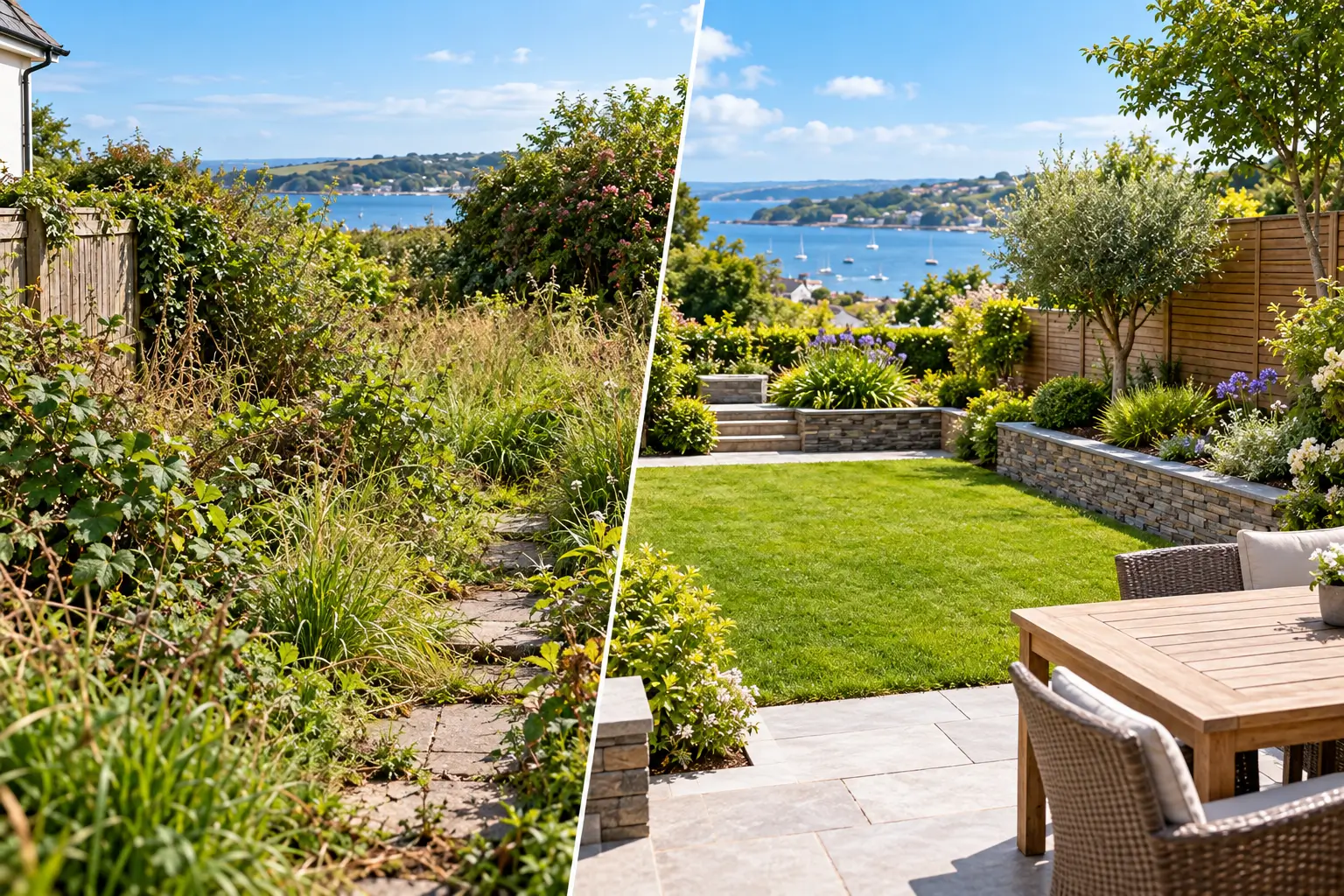
A well-designed garden can make your home more enjoyable, create space for relaxing outdoors and improve the appearance of your property. However, even a promising garden project can become expensive or difficult to maintain when important decisions are overlooked.
From choosing unsuitable plants to ignoring drainage, small planning errors can lead to bigger problems later. Understanding the garden landscaping mistakes homeowners should avoid can help you make better decisions, manage your budget and create an outdoor space that works for your lifestyle.
For homeowners in Cornwall, local weather, soil conditions and the shape of the garden also deserve careful consideration. Here are seven common mistakes to avoid when planning your next garden improvement.
1. Starting Without a Clear Garden Plan
One of the most common landscaping mistakes is beginning work before deciding how the garden should look and function.
It is tempting to purchase plants, lay turf or build new features straight away. However, without a plan, different elements may not work well together, and you could end up paying to change completed work.
Before starting, consider:
- How you want to use the garden.
- Where lawns, planting beds and seating areas should go.
- How people will move between different areas.
- How much time you can spend on maintenance.
- Which improvements are most important to your budget.
For larger projects, professional planning can help bring these elements together. Explore residential landscaping in Mid Cornwall for ideas on approaching garden improvements with a clear purpose.
2. Ignoring Drainage and Ground Conditions
A garden may look attractive immediately after landscaping, but poor drainage can create problems over time. Waterlogged lawns, muddy patches and standing water can affect how comfortably you use your outdoor space.
Before installing turf or changing the garden layout, consider the existing soil, slopes and areas where water tends to collect.
For example, if one corner of your garden regularly becomes muddy after heavy rain, laying new turf without addressing the underlying problem may not provide a lasting solution.
The appropriate remedy depends on the site. It may involve improving the soil, adjusting levels or seeking professional advice where drainage problems are significant.
When planning a new lawn, consider the preparation involved in lawn installation in Cornwall rather than focusing only on the finished grass.
3. Choosing the Wrong Plants for Your Garden
Plants that look beautiful in a garden centre may not thrive in your outdoor space. Sunlight, soil type, wind exposure and available room all influence plant growth.
Cornwall gardens can experience different conditions depending on their location. An exposed garden may need plants that tolerate wind, while a sheltered border may support a wider range of choices.
Before purchasing plants, check their mature size, light requirements and watering needs. Avoid placing fast-growing shrubs too close to paths, windows or neighbouring boundaries.
It is also worth considering how much pruning and seasonal care the planting scheme will require.
Choosing plants suited to the location can help create a garden that looks attractive without demanding more maintenance than you can realistically provide.
4. Ordering the Wrong Amount of Turf
A new lawn can transform a garden, but inaccurate measurements can lead to unnecessary expense or delays.
Ordering too little turf may interrupt installation, while buying too much can create avoidable waste. Measuring the proposed lawn area carefully before ordering helps you estimate the quantity required.
For a rectangular lawn, multiply the length by the width to calculate the area in square metres. For irregular gardens, divide the space into smaller shapes, calculate each area and add the results together.
Allow for cutting and fitting where appropriate, but confirm the recommended quantity with your supplier or installer.
If you are replacing a worn-out lawn, explore new turf installation in Cornwall. Homeowners comparing lawn options can also review mid-range turf in Cornwall to understand the available choices.
For location-specific projects, Laingscape also provides information about turf installation in St Austell and turf laying in St Austell.
5. Underestimating Garden Maintenance
A garden that looks impressive when newly completed may become difficult to manage if its ongoing maintenance requirements are overlooked.
Lawns need mowing, hedges require suitable trimming, and planting beds need periodic attention. If your garden is already demanding too much time, adding complicated features or high-maintenance plants may make the problem worse.
Think realistically about the time and budget available for ongoing care. Choose a layout and planting scheme that suits your routine rather than relying on occasional major tidy-ups.
Regular maintenance can also help identify problems before they become more difficult to manage.
Explore regular garden maintenance in Cornwall for ongoing care options, or learn more about lawn mowing services in Cornwall.
Seasonal work matters too. Our guide to autumn garden maintenance in Cornwall explains why adjusting your garden routine throughout the year can be beneficial.
6. Forgetting About Access, Driveways and Practical Features
Landscaping is not only about plants and lawns. Paths, entrances, driveways and seating areas influence how easily you can use the garden every day.
A narrow path may make moving garden equipment difficult, while poorly positioned seating may receive little sunlight or feel exposed to the wind.
Think about everyday activities before finalising the layout. Consider access to sheds, space for bins, safe walking routes and how vehicles enter and leave the property.
If a driveway forms part of your improvement project, explore driveway installation in Mid Cornwall. Planning hard landscaping alongside the garden layout can help create a more practical overall design.
7. Trying to Fix an Overgrown Garden Without a Plan
An untidy garden can feel overwhelming, particularly when weeds, long grass, shrubs and accumulated garden waste all need attention.
Trying to tackle everything at once may waste time and make it difficult to decide which improvements matter most. Instead, identify the main problems and prioritise the work.
Start by restoring access to paths and removing unwanted growth where appropriate. Then assess the lawn, planting areas and any features that need repair.
For gardens in St Mawes, explore landscaping in St Mawes. Homeowners in St Austell can also find location-specific information on landscaping in St Austell.
If the garden needs substantial clearing before further improvements, our garden clearance service in Mid Cornwall may be a useful starting point.
Need Help Planning Your Garden Landscaping Project?
Avoiding common landscaping mistakes begins with understanding your garden, choosing suitable improvements and planning for long-term maintenance.
Laingscape provides gardening and landscaping services across Cornwall, helping homeowners explore practical options for improving their outdoor spaces. If you are considering a new lawn, garden clearance, regular maintenance or a more extensive landscaping project, contact the team to discuss your requirements.
Visit our gardening and landscaping services page to explore the available options and find a suitable starting point for your project.
You can also review Laingscape’s Google Business Profile to find business information and available customer reviews.
Ready to improve your garden? Contact Laingscape to discuss your plans and request a free, no-obligation quotation.
Conclusion
Understanding the garden landscaping mistakes homeowners should avoid can save time, reduce unnecessary spending and help you create a garden that suits your needs.
Start with a clear plan, consider drainage and soil conditions, choose suitable plants, measure your lawn accurately and account for ongoing maintenance. Remember that practical features such as paths and driveways are just as important as the garden’s appearance.
With thoughtful planning and the right support, your outdoor space can become easier to maintain and more enjoyable throughout the year.
Frequently Asked Questions
1. What is the most common garden landscaping mistake?
Starting without a clear plan is a common mistake. Without deciding how the garden should function, homeowners may choose unsuitable features, exceed their budget or need to redo completed work.
2. Why is drainage important in garden landscaping?
Good drainage helps prevent persistent waterlogging and muddy areas. Assessing soil and ground conditions before landscaping can help identify problems that need attention.
3. How can I avoid overspending on garden landscaping?
Set a realistic budget, prioritise essential improvements and plan the project before purchasing materials. Consider future maintenance costs as well as the initial installation price.
4. How do I choose suitable plants for my garden?
Consider sunlight, soil conditions, wind exposure, available space and the plants’ mature size. Choose varieties suited to the site and the amount of maintenance you can provide.
5. How do I calculate how much turf I need?
Measure the lawn’s length and width in metres and multiply them for a rectangular area. For irregular shapes, calculate smaller sections separately and add the results together.
6. How can I make my garden easier to maintain?
Choose suitable plants, simplify the layout where practical and establish a regular routine for mowing, pruning and weeding. Professional maintenance may also help if you have limited time.
7. Should I clear an overgrown garden before landscaping?
Usually, unwanted vegetation and accumulated debris should be addressed before major landscaping begins. The necessary preparation depends on the garden’s condition and the improvements planned.
8. When should I hire a professional landscaper?
Professional help may be useful for complex layouts, drainage concerns, significant ground preparation, new lawns or projects involving several different features. Discussing the requirements beforehand can help clarify the work involved.
9. Can landscaping improve a small garden?
Yes. Thoughtful zoning, suitable planting, clear pathways and appropriately sized features can help a small garden feel more practical. The best design depends on the available space and how you intend to use it.