Skip to content
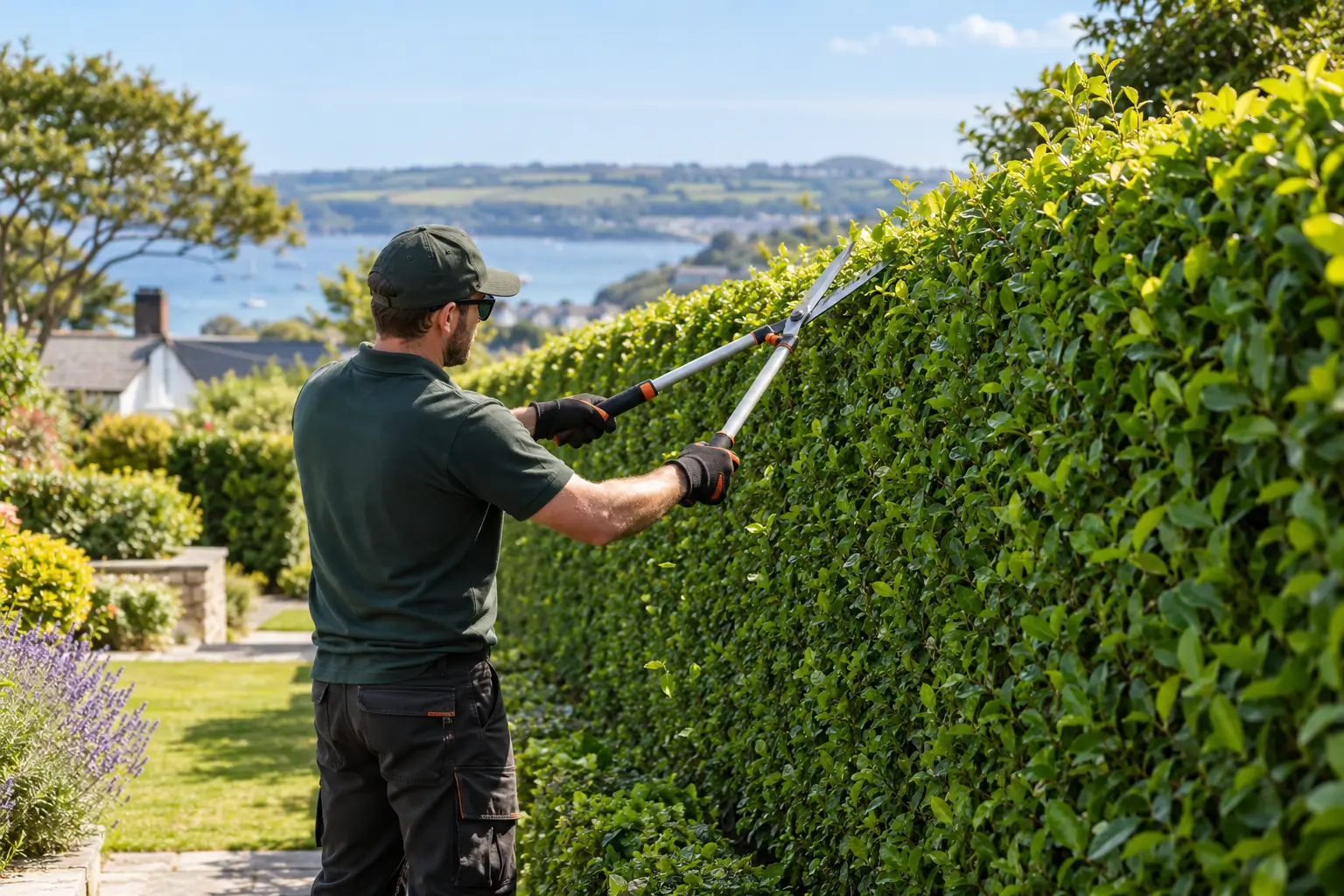
A thick, healthy hedge can make a garden feel more private without the need for a tall fence or artificial screening. It can soften boundaries, create a greener outlook and help separate your outdoor space from neighbouring properties. However, when hedges become patchy, overgrown or bare at the base, they may no longer provide the screening you want.
The secret is not simply cutting a hedge shorter. The timing, trimming technique and type of plant all affect how densely it grows. With the right care, you can encourage healthy branching and maintain a natural boundary that looks good throughout the year.
In this guide, we explain how to maintain a dense privacy hedge, when to trim it and which common mistakes to avoid.
Why Does Hedge Density Matter for Privacy?
A dense hedge creates a more effective visual screen because its foliage and branches fill gaps between individual plants. It can help block unwanted views and make a garden feel more enclosed.
The Royal Horticultural Society (RHS) also notes that dense hedges can help screen unattractive views and contribute to reducing traffic noise and pollution. Results vary according to the hedge species, its size and the surrounding conditions.
A hedge that is thick at the top but sparse near the ground may still leave your garden exposed. For this reason, good maintenance should encourage balanced growth from the base upwards rather than focusing only on the height.
Choose the Right Trimming Technique
Keep the Base Slightly Wider Than the Top
One of the most useful principles of hedge maintenance is to keep the sides gently sloping inwards towards the top. This allows sunlight to reach the lower branches and helps prevent the base from becoming thin.
If the top is wider than the bottom, it can shade the lower foliage. Over time, this may contribute to bare patches and weaker growth near ground level.
When trimming, work gradually and step back regularly to check the shape from different angles. A consistent outline helps maintain a neat boundary without removing more growth than necessary.
Trim Little and Often Where Appropriate
Regular light trimming encourages many formal hedging plants to develop a compact structure. It also makes it easier to maintain a chosen height and width.
However, the ideal frequency depends on the species. Some formal hedges benefit from more than one trim during the growing season, while informal hedges may need only occasional attention.
Avoid cutting every hedge on the same schedule. Check the plant type and its growth pattern before deciding how often to trim.
When Is the Best Time to Cut a Privacy Hedge?
The right timing depends on whether your hedge is evergreen or deciduous, how quickly it grows and whether wildlife is using it.
For many established formal hedges, light trimming during the appropriate growing season helps maintain their shape. Some deciduous species, including beech and hornbeam, can retain dry leaves on young growth during winter, offering some screening even when other plants have lost their foliage.
Before any work, check the hedge carefully for active bird nests. The RHS advises that the main nesting season generally runs from early March to early August, although nesting can continue outside these dates. Active nests must not be damaged or disturbed.
You should also check whether specific legal restrictions apply to your hedge. The rules for certain countryside hedgerows differ from those for ordinary garden hedges.
How to Encourage Thicker Growth from the Base
A hedge that provides privacy at eye level but has gaps near the ground may need a change in its maintenance approach.
Start by checking whether the lower branches receive enough light. If the hedge has been repeatedly cut into a top-heavy shape, adjust future trimming so that the base remains slightly wider.
Other practical steps include:
- Remove dead or damaged branches where appropriate.
- Avoid cutting so deeply that the plant cannot regrow from old wood.
- Water newly planted hedges during dry periods while they establish.
- Apply a suitable organic mulch around the base, keeping it away from direct contact with stems.
- Check for signs of pests, disease or poor growing conditions.
Do not assume every bare patch will fill in after trimming. Some conifers, for example, may not regrow from old brown wood. If a hedge has become severely sparse, identify the species before deciding whether renovation, replacement or a different screening solution is best.
Common Hedge Cutting Mistakes to Avoid
Even well-intentioned trimming can reduce privacy if it removes too much healthy growth.
Cutting too severely: A drastic reduction may leave permanent gaps, especially in plants that do not readily regrow from old wood.
Ignoring the lower branches: A narrow base can receive too little light, gradually reducing foliage near the ground.
Trimming at the wrong time: Poor timing can affect plant health and may put nesting wildlife at risk.
Using blunt or unsuitable tools: Poor cuts can damage foliage and make it harder to achieve a clean finish.
Allowing the hedge to become too tall: An excessively tall hedge can be difficult and unsafe to maintain. Regular, measured trimming is generally easier than attempting a major reduction later.
If a hedge has become seriously overgrown, the RHS provides further guidance on renovating established hedges.
Maintaining Privacy in Cornwall Gardens
Gardens across Cornwall experience different growing conditions depending on their location, exposure, soil and surrounding buildings. Coastal gardens may face stronger winds and salt exposure, while sheltered gardens can support different growth patterns.
These differences make it important to choose suitable hedge plants and adjust maintenance to the actual site. A hedge that thrives in a sheltered Truro garden may need a different approach in a more exposed coastal location.
For an existing hedge, begin by identifying the species, checking the density of its foliage and looking for signs of stress. These observations will help you decide whether light trimming is sufficient or whether more substantial work is needed.
For new screening, consider the mature height, width, growth rate and maintenance requirements of the plants before planting. The RHS guide to growing hedges offers useful advice on selecting and caring for hedging plants.
Need Help Maintaining Your Garden Hedges?
Keeping a hedge dense and attractive can take time, particularly when it is tall, long or difficult to reach safely. Laingscape provides gardening and landscaping services across Cornwall, with over 20 years of experience.
Whether your garden needs routine maintenance or wider improvements, a practical plan can help keep outdoor spaces manageable throughout the year.
Explore our Garden Maintenance in Cornwall service to find out more about ongoing garden care. You can also browse our full range of gardening and landscaping services.
Before choosing a service, you can review the business information on Laingscape’s Google Business Profile. If independent Trustpilot feedback is available, consider it alongside the service details and quotation when making your decision.
Ready to improve your garden boundary? Contact Laingscape on +44 7988 759149 or email oliver@laingscape.co.uk to discuss your garden maintenance requirements.
Conclusion
Maintaining a thick, healthy hedge requires the right technique, suitable timing and an understanding of the plant itself. Keep the base wider than the top, trim appropriately for the species and avoid severe cutting that could leave permanent gaps.
For homeowners looking to improve privacy, Hedge Cutting for Privacy: How to Maintain a Dense Boundary comes down to consistent, considered care rather than simply reducing the hedge’s height.
With regular checks and suitable maintenance, your hedge can remain an attractive, practical boundary that helps you enjoy your garden with greater privacy.
Frequently Asked Questions
1. How often should I cut a hedge for privacy?
It depends on the plant species and the desired shape. Formal hedges may need trimming more than once a year, while informal hedges often need less frequent attention. Follow species-specific guidance and check for nesting birds before cutting.
2. Does cutting a hedge make it grow thicker?
Appropriate trimming can encourage branching in many hedging plants, helping create denser growth. However, results depend on the species, the plant’s condition and where the cuts are made.
3. How do I stop my hedge becoming bare at the bottom?
Keep the hedge slightly wider at the base than at the top so sunlight can reach the lower branches. Also check for overcrowding, poor growing conditions and unsuitable pruning.
4. Which hedges are best for garden privacy?
Suitable choices depend on your soil, exposure, available space and preferred maintenance level. Evergreen species provide year-round foliage, while some deciduous hedges offer good screening during the growing season and may retain leaves in winter.
5. Can I cut my hedge in summer?
Some hedges can be trimmed during the growing season, but timing depends on the species and local conditions. Always check carefully for active bird nests and any applicable legal restrictions before starting.
6. What should I do if my hedge has large gaps?
First identify the plant and determine why the gaps have appeared. Some hedges respond well to careful renovation, while certain conifers may not regrow from old wood. Replacement or additional planting may be necessary.
7. Should I cut the top of my hedge flat?
A flat top can suit many formal hedges, but the sides should generally remain slightly wider at the base. This allows light to reach lower foliage and supports a fuller shape.
8. Can a dense hedge reduce noise from roads?
Dense hedges can help screen traffic and may reduce some perceived noise, but the effect depends on their thickness, height, length and the surrounding environment. They should not be treated as a complete soundproofing solution.
9. When should I hire a professional hedge-cutting service?
Consider professional help if the hedge is tall, difficult to access, severely overgrown or requires specialist equipment. Professional advice can also help when you are unsure whether a hedge can tolerate substantial reduction.
Need Help Keeping Your Hedges Dense and Healthy?
Maintaining a neat, dense hedge takes regular care and the right trimming approach. If your hedges are overgrown, uneven or need shaping to improve privacy, Laingscape can help.
With over 20 years of garden maintenance and landscaping experience, we provide professional hedge trimming, height reduction and boundary hedge maintenance across Mid Cornwall.
Explore our hedge cutting services in Cornwall or contact us for a free, no-obligation quote.
Call: 07988 759149
Email: oliver@laingscape.co.uk