Skip to content
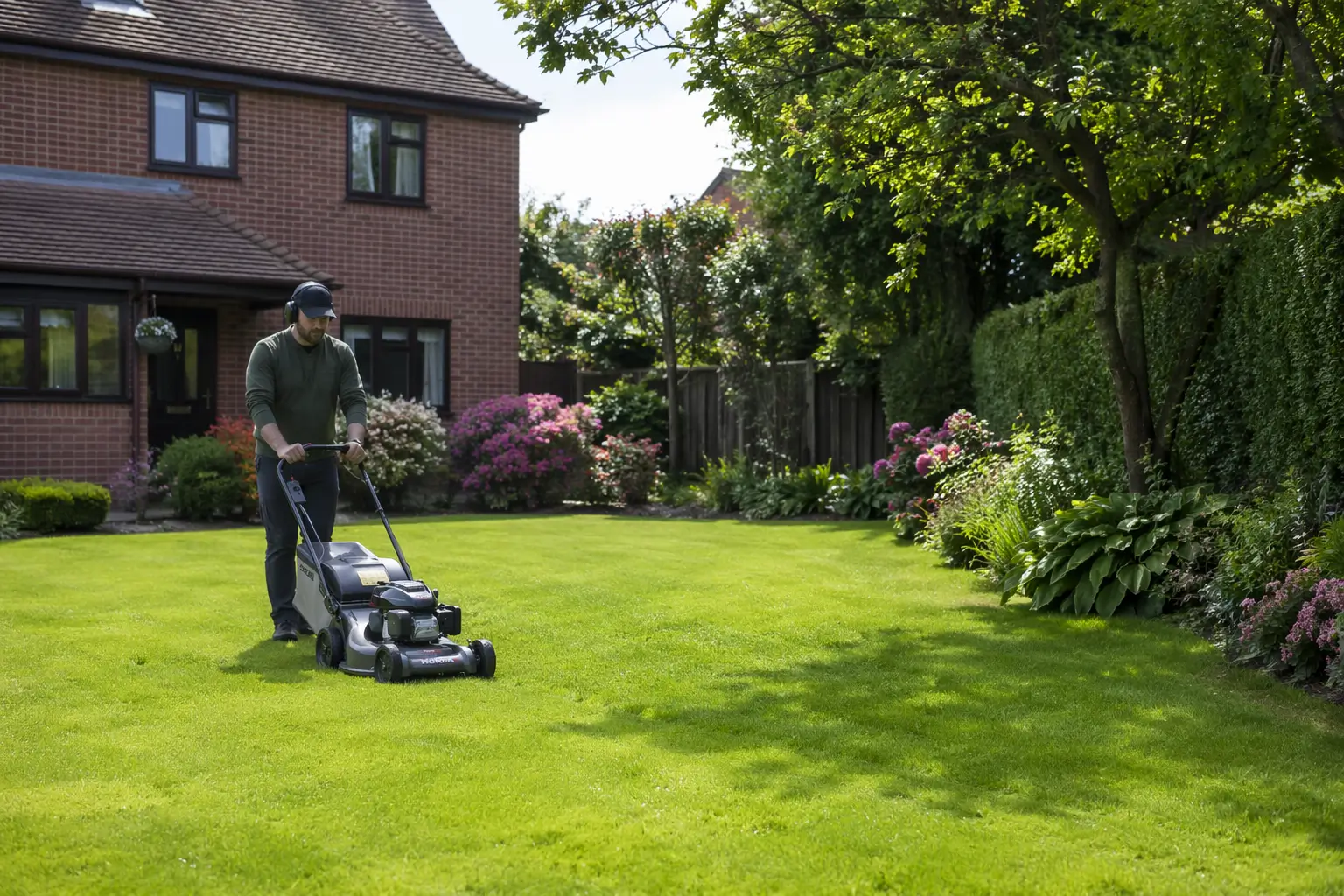
A well-maintained lawn can completely transform the look of your garden. But one of the most common questions homeowners ask is: how often should you mow your lawn UK?
The answer isn’t as simple as once a week. In the UK—especially in places like Cornwall where the climate is mild and damp—grass can grow quickly and unpredictably. Mowing too often can weaken your lawn, while leaving it too long can lead to uneven growth and poor health.
In this guide, we’ll walk you through everything you need to know about mowing frequency, seasonal changes, and practical tips to keep your lawn looking its best all year round.
Why Mowing Frequency Matters
Understanding how often should you mow your lawn UK is essential for maintaining a healthy lawn.
Cutting your grass at the right intervals helps to:
- Promote thicker and healthier growth
- Prevent weeds from taking over
- Improve the overall appearance of your garden
- Maintain an even lawn surface
On the other hand, mowing too frequently can stress the grass, while mowing too infrequently can result in patchy, overgrown areas.
How Often Should You Mow Your Lawn UK by Season
The UK’s changing seasons play a major role in how fast your lawn grows. Here’s a breakdown to help you plan your mowing schedule.
Spring (March to May)
Spring is when your lawn starts to grow actively again.
- Mow once every 1–2 weeks in early spring
- Increase to once a week as growth speeds up
During this time, it’s important not to cut the grass too short. Gradually lower the cutting height as the season progresses.
Summer (June to August)
Summer is usually the peak growing season, especially in wetter regions.
- Mow once a week (or every 5–7 days)
- In dry spells, reduce frequency to avoid stressing the grass
If you’re wondering how often should you mow your lawn UK during summer, consistency is key. Regular mowing keeps your lawn neat and encourages dense growth.
Autumn (September to October)
Growth begins to slow down, but mowing is still necessary.
- Mow every 10–14 days
- Raise the cutting height slightly
This helps your lawn prepare for winter while maintaining a tidy appearance.
Winter (November to February)
In winter, grass growth is minimal.
- Mow only when necessary (once a month or less)
- Avoid mowing during frost or very wet conditions
In many cases, you may not need to mow at all during colder periods.
Factors That Affect Mowing Frequency
While seasonal guidance is helpful, several other factors influence how often should you mow your lawn UK.
Grass Type
Different grass species grow at different rates. Some lawns require more frequent cutting than others.
Weather Conditions
Rain and mild temperatures increase growth, while drought slows it down.
Soil Quality
Healthy soil promotes faster growth, meaning more regular mowing may be needed.
Lawn Usage
Lawns that are frequently used (children, pets, gatherings) may need more maintenance.
The One-Third Rule: A Key Lawn Care Tip
One of the most important rules in lawn care is the “one-third rule.”
Never cut more than one-third of the grass height in a single mow.
Cutting too much at once can:
- Shock the grass
- Cause browning
- Weaken root systems
Following this rule will help maintain a healthier lawn over time.
Common Lawn Mowing Mistakes to Avoid
Even if you know how often should you mow your lawn UK, mistakes can still happen.
Avoid these common issues:
- Cutting grass too short
- Using blunt mower blades
- Mowing wet grass
- Ignoring seasonal changes
- Inconsistent mowing schedule
Small adjustments can make a big difference in lawn health and appearance.
Professional Lawn Care vs DIY
While mowing your lawn yourself is manageable, many homeowners prefer professional help for consistent results.
For example, services like See More…
offer tailored lawn care solutions based on local conditions.
Professional gardeners understand exactly how often should you mow your lawn UK and adjust schedules based on weather, soil, and grass type.
Expert Advice from Trusted Sources
According to
https://www.rhs.org.uk/lawns
regular mowing is essential for maintaining a healthy lawn, but frequency should always be adjusted based on growth rate and seasonal conditions.
This aligns with best practices followed by experienced garden maintenance professionals across the UK.
Practical Lawn Mowing Schedule (Quick Guide)
Here’s a simple summary you can follow:
- Spring: Every 1–2 weeks → then weekly
- Summer: Weekly
- Autumn: Every 10–14 days
- Winter: Rarely or not at all
This schedule provides a solid foundation for anyone asking how often should you mow your lawn UK.
Conclusion
So, how often should you mow your lawn UK? The answer depends on the season, weather, and your lawn’s specific needs. However, as a general rule, mowing weekly during peak growing months and less frequently in colder seasons will keep your lawn healthy and well-maintained.
By following proper mowing techniques, adjusting your schedule throughout the year, and avoiding common mistakes, you can enjoy a lush, green lawn that enhances your outdoor space.
And if you’d prefer expert help, professional garden maintenance services can ensure your lawn is always cared for at the right time and in the right way.
Frequently Asked Questions
How often should you mow your lawn UK in summer?
Usually once a week, but reduce frequency during dry periods.
Can you mow your lawn every week?
Yes, weekly mowing is ideal during the growing season.
Is it bad to mow too often?
Yes, mowing too frequently can stress the grass and weaken it.
Should you mow your lawn in winter UK?
Only occasionally, and avoid mowing during frost or wet conditions.
What is the best height to cut grass UK?
Typically between 2.5cm to 5cm depending on the season.
Does mowing make grass thicker?
Yes, regular mowing encourages denser growth.
Can I mow wet grass?
It’s not recommended as it can damage the lawn and mower.
How long should grass be before mowing?
Around 5–8cm is ideal before cutting.
Do professionals mow lawns differently?
Yes, they follow seasonal schedules and proper cutting techniques.
What happens if you don’t mow regularly?
Grass becomes overgrown, uneven, and more prone to weeds.