Skip to content
Creating a beautiful outdoor space involves much more than simply mowing the lawn or planting flowers. If you’ve recently started planning a garden project, you may have come across the term soft landscaping. Many homeowners ask the same question: what is soft landscaping and how does it differ from other landscaping work?
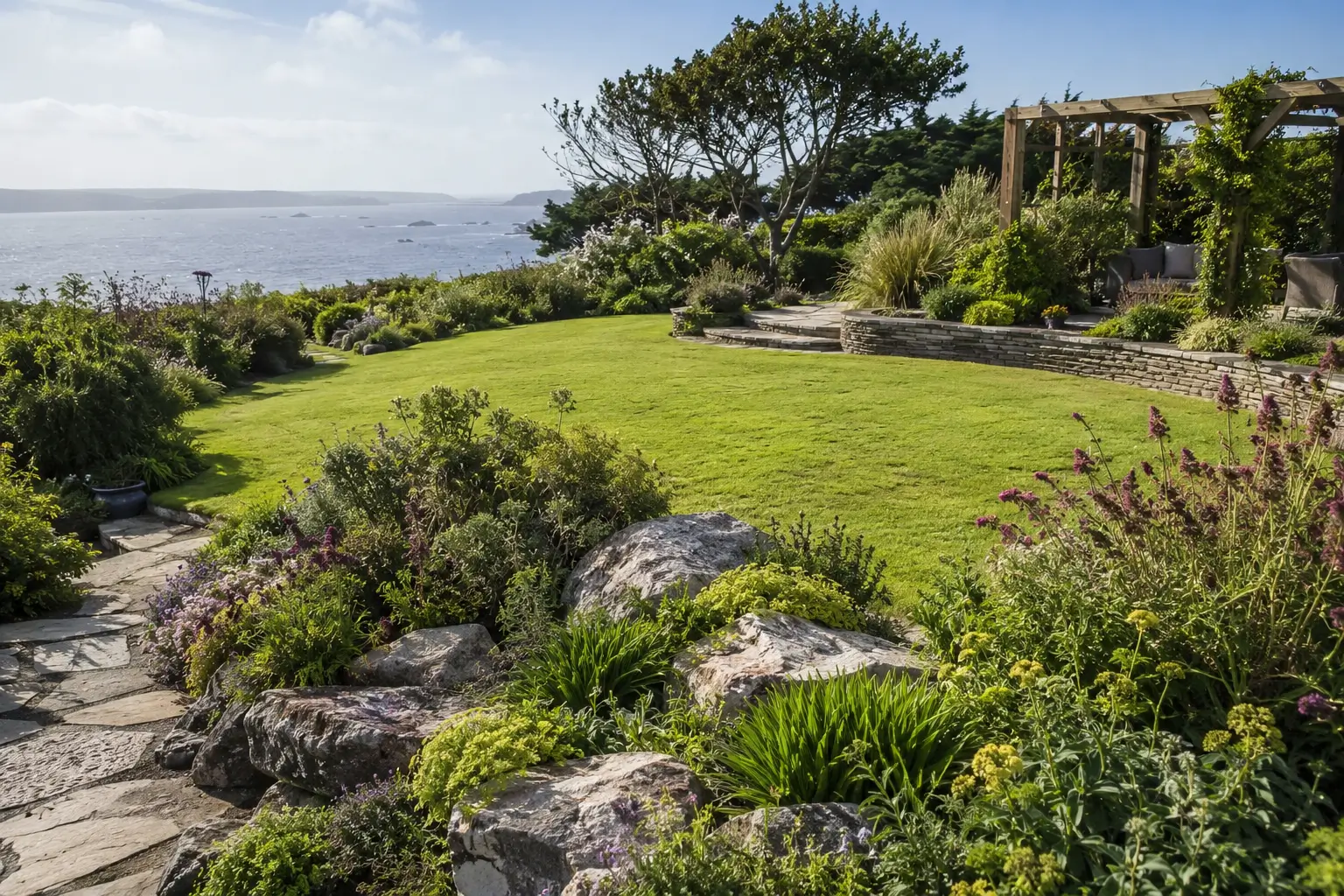
Soft landscaping refers to the living elements of a garden design. It includes plants, lawns, trees, shrubs, soil, and everything natural that helps bring a garden to life. Unlike hard landscaping, which focuses on structures like patios and walls, soft landscaping adds colour, texture, movement, and seasonal interest.
In this guide, we’ll explain exactly what is soft landscaping, why it matters, and how it can completely transform outdoor spaces in Cornwall and across the UK.
What Is Soft Landscaping?
At its core, what is soft landscaping simply means the natural and living parts of a garden or outdoor space.
Soft landscaping commonly includes:
- Grass and turf
- Flowers and plants
- Trees and shrubs
- Hedges
- Soil preparation
- Mulching
- Garden borders
- Seasonal planting
These elements work together to create a balanced, attractive, and functional garden.
Soft landscaping is often carried out after hard landscaping features such as patios, fencing, or decking have been installed.
Soft Landscaping vs Hard Landscaping
One of the easiest ways to understand what is soft landscaping is by comparing it to hard landscaping.
Soft Landscaping
Focuses on:
- Living plants
- Natural growth
- Organic materials
- Seasonal changes
Hard Landscaping
Focuses on:
- Patios
- Pathways
- Walls
- Decking
- Driveways
- Fencing
A successful garden design usually combines both elements to create a practical and visually appealing outdoor space.
For example, a Cornwall garden may include:
- A stone patio (hard landscaping)
- Fresh turf and flower beds (soft landscaping)
Together, they create a complete and balanced design.
Why Soft Landscaping Is Important
Soft landscaping does much more than improve appearance. It also provides environmental and practical benefits.
Improves Kerb Appeal
Well-maintained lawns and planting schemes instantly make a property look more attractive.
Encourages Wildlife
Plants and hedges attract birds, bees, and pollinators, helping local ecosystems thrive.
Improves Air Quality
Trees and plants naturally help filter pollutants and improve air quality.
Helps Drainage
Soft landscaping can improve soil absorption and reduce surface water issues.
Creates Relaxing Outdoor Spaces
A thoughtfully planted garden creates a peaceful environment for homeowners and visitors alike.
Popular Soft Landscaping Features
If you’re planning a garden project, there are many ways to introduce soft landscaping into your outdoor space.
Turf Laying
Fresh turf instantly transforms gardens and creates a clean, usable lawn area.
Planting Schemes
A mix of flowers, shrubs, and greenery adds colour and seasonal interest.
Hedge Planting
Hedges provide privacy, structure, and natural boundaries.
Garden Borders
Well-designed borders soften pathways and patios while adding texture.
Trees and Shrubs
Trees provide height, shade, and year-round visual appeal.
For homeowners looking for professional garden care, our
Garden Maintenance Services
help maintain healthy and attractive outdoor spaces throughout the year.
Best Plants for Soft Landscaping in Cornwall
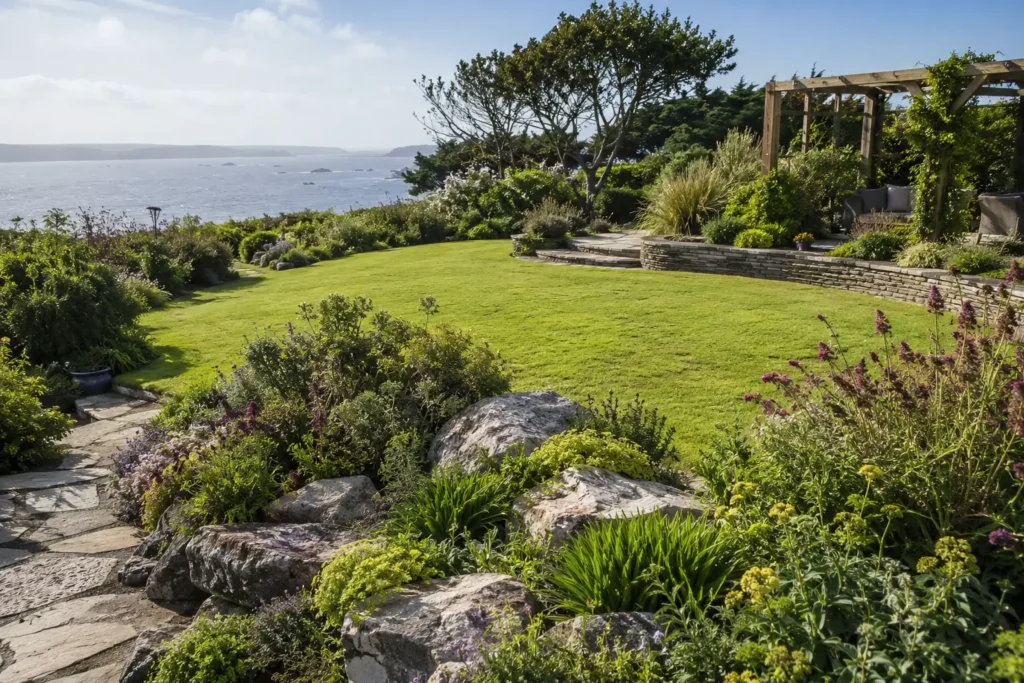
Cornwall’s mild coastal climate allows a wide variety of plants to thrive. However, choosing the right plants is essential for long-term success.
Popular choices include:
- Lavender
- Hydrangeas
- Hebes
- Ornamental grasses
- Camellias
- Coastal shrubs
Because Cornwall experiences strong coastal winds and wet winters, plant selection should always consider local conditions.
The
Royal Horticultural Society
offers helpful advice on selecting plants suitable for UK gardens.
When Is the Best Time for Soft Landscaping?
Timing plays a major role in successful landscaping projects.
Spring
Ideal for:
- New planting
- Turf laying
- Garden redesigns
Autumn
Excellent for:
- Tree planting
- Shrub establishment
- Soil improvement
Summer
Suitable for:
- Garden maintenance
- Watering and care
Winter
Best for:
- Planning future projects
- Soil preparation
Understanding seasonal timing ensures plants establish properly and remain healthy.
Common Mistakes to Avoid
When learning what is soft landscaping, it’s important to avoid common issues that can affect garden health and appearance.
Choosing the Wrong Plants
Plants unsuited to Cornwall’s climate may struggle to survive.
Poor Soil Preparation
Healthy soil is essential for long-term growth.
Overcrowding Plants
Plants need space to mature properly.
Ignoring Maintenance
Even low-maintenance gardens require ongoing care.
Lack of Drainage Planning
Poor drainage can damage lawns and plant roots.
Professional advice can help prevent these problems and save money in the long run.
Soft Landscaping for Residential and Commercial Gardens
Soft landscaping is suitable for many different property types.
Residential Gardens
Homeowners often use soft landscaping to:
- Improve kerb appeal
- Create family-friendly gardens
- Add privacy and colour
Commercial Properties
Businesses and holiday lets use landscaping to:
- Create welcoming entrances
- Improve customer impressions
- Enhance outdoor seating areas
In Cornwall, attractive landscaping can significantly increase the appeal of holiday accommodation and rental properties.
Conclusion
Understanding what is soft landscaping is the first step toward creating a beautiful and functional outdoor space. From lawns and planting schemes to hedges and borders, soft landscaping brings gardens to life and adds long-term value to properties.
Whether you’re redesigning a small garden or planning a larger landscaping project, combining thoughtful planting with proper maintenance can completely transform your outdoor environment.
For homeowners across Cornwall, professional soft landscaping services can help ensure your garden stays healthy, balanced, and visually impressive throughout every season.
Frequently Asked Questions
What is soft landscaping in gardening?
Soft landscaping refers to the living elements of a garden, including plants, lawns, trees, hedges, and flowers.
What is the difference between soft and hard landscaping?
Soft landscaping focuses on natural elements, while hard landscaping includes patios, walls, decking, and pathways.
Is turf laying part of soft landscaping?
Yes, turf laying is one of the most common types of soft landscaping.
What are examples of soft landscaping?
Examples include planting flowers, laying turf, hedge planting, and creating garden borders.
Why is soft landscaping important?
It improves appearance, supports wildlife, improves drainage, and creates relaxing outdoor spaces.
Which plants grow well in Cornwall?
Lavender, hydrangeas, ornamental grasses, hebes, and coastal shrubs are popular choices.
When is the best time for soft landscaping?
Spring and autumn are generally the best seasons for planting and garden establishment.
Does soft landscaping require maintenance?
Yes, regular watering, pruning, mowing, and seasonal care are essential for healthy growth.
Can soft landscaping increase property value?
A well-maintained garden can improve kerb appeal and increase property attractiveness.
Who provides soft landscaping services in Cornwall?
Laingscape offers professional landscaping and garden maintenance services across Cornwall.